

How Search Trends and AI Discovery Are Changing the Way Consumers Research Cameras
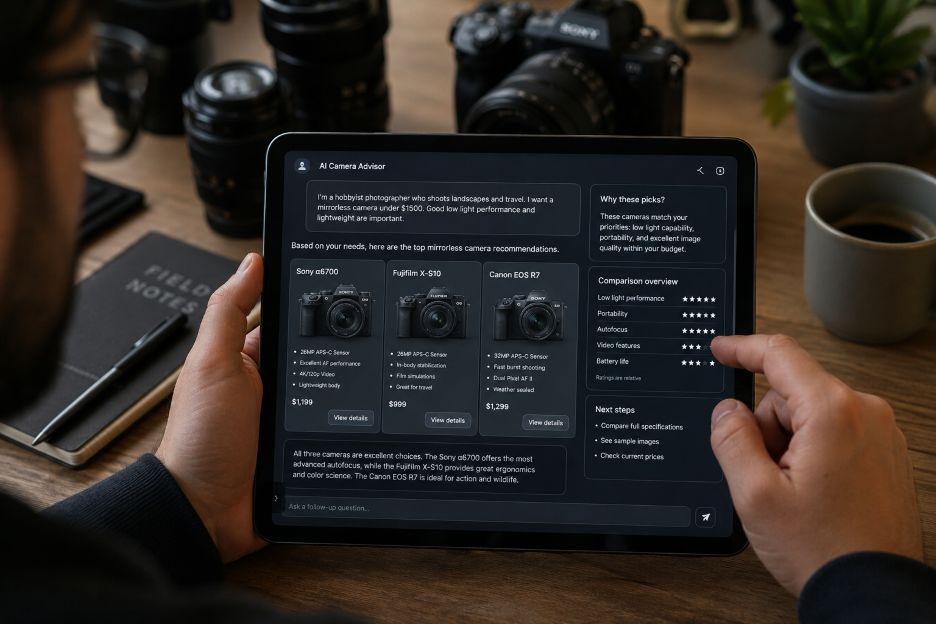
Digital camera buyers now spend more time consulting AI tools, search summaries, and recommendation engines before making a purchase. Search behavior has shifted quickly over the last two years as consumers move away from reading only traditional review websites and begin relying on conversational AI platforms for product comparisons, buying advice, and technical explanations. Data from Gartner suggests generative AI is reshaping online discovery patterns, while research from Adobe Analytics shows AI-assisted shopping traffic has steadily increased across consumer electronics categories.
Camera brands, publishers, and affiliate marketers are responding by rethinking how product information is written and distributed online. Many content strategists now study frameworks discussed in resources such as the SEO for ChatGPT book to better understand how AI systems interpret and surface content. This shift reflects a larger debate about whether AI-generated recommendations improve shopping research or risk reducing nuanced photography advice into generic summaries.
Why AI-Based Camera Research Is Growing
Search engines already changed how people researched cameras during the rise of digital photography. Buyers once relied heavily on photography magazines, store sales staff, and enthusiast forums. Later, YouTube reviewers and comparison websites became major influences. AI discovery tools represent the next stage of that evolution.
Research from Statista indicates consumers increasingly prefer fast answers over long browsing sessions. Someone shopping for a mirrorless camera today may ask an AI assistant for “the best beginner camera for travel photography under $1,000” instead of manually reading ten separate reviews.
This approach saves time. AI systems can summarize sensor sizes, autofocus performance, battery life, and video features in seconds. Consumers who are unfamiliar with photography terminology often find conversational interfaces easier to understand than traditional technical specifications.
Experts at McKinsey & Company note that generative AI tools are especially attractive during early-stage product discovery because they simplify complex information. Cameras are highly technical products. Terms like dynamic range, crop factor, rolling shutter, or phase-detection autofocus can overwhelm casual buyers. AI assistants reduce friction by translating technical language into simpler explanations.
The Argument Supporting AI-Assisted Shopping Research
Supporters of AI-driven research argue that these tools make photography more accessible. Beginners who previously felt intimidated by camera shopping can now ask follow-up questions in plain language. Someone can request comparisons between DSLR and mirrorless systems, ask whether a camera works well in low light, or learn which lenses suit portrait photography.
Research published by Pew Research Center shows consumers often value convenience and speed when gathering information online. AI systems respond instantly and can adapt explanations based on the user’s knowledge level.
Another advantage involves personalization. AI-powered recommendations may consider budget, travel habits, photography style, or intended use. A wildlife photographer and a casual family traveler should not receive the same suggestions, and AI systems can theoretically distinguish between those needs more effectively than static review pages.
Photography retailers also benefit from improved customer guidance. AI-assisted discovery tools may reduce confusion during the buying process and help users narrow down products faster. Some e-commerce companies already use AI chat systems to answer lens compatibility questions or explain differences between camera models.
Supporters also point out that traditional camera reviews are not free from bias either. Sponsored content, affiliate commissions, and manufacturer partnerships have existed across the photography industry for years. AI systems may eventually become better at aggregating multiple viewpoints instead of relying on a single reviewer.
Concerns About Generic or Biased Recommendations
Critics argue that AI-generated recommendations often flatten important differences between products. Photography is highly subjective. Camera choice depends on ergonomics, shooting style, lens ecosystems, color science preferences, and long-term creative goals. AI summaries sometimes oversimplify those factors.
Experts from MIT Technology Review have warned that generative AI systems may produce confident answers that are incomplete or inaccurate. A recommendation engine might suggest a camera based on outdated pricing, misunderstood specifications, or incomplete review data.
Bias also remains a concern. AI tools learn from existing online content, which may already favor dominant brands with stronger digital visibility. Large manufacturers with aggressive marketing campaigns and extensive online coverage may appear more frequently in AI-generated answers than smaller brands.
There is also concern about homogenized recommendations. Consumers who ask similar questions may repeatedly receive the same few camera suggestions. This pattern could reduce product diversity and make it harder for niche brands or specialized camera systems to gain visibility.
Professional photographers sometimes criticize AI-generated buying advice for lacking real-world context. A camera that performs well in laboratory tests may feel uncomfortable during long shoots or produce color rendering that certain photographers dislike. Human reviewers often communicate these subtleties through storytelling and experience. AI summaries can miss that emotional and practical dimension.
How Camera Publishers Are Adapting
Review websites and publishers are already adjusting their strategies to remain visible within AI-powered search ecosystems. Traditional keyword-focused SEO alone no longer guarantees visibility when users increasingly rely on AI summaries rather than direct search clicks.
Industry analysts at Search Engine Journal and Semrush note that publishers are focusing more heavily on structured product information, clear comparisons, expert commentary, and firsthand testing experiences. These elements help AI systems identify trustworthy and detailed content.
Long-form reviews are evolving as well. Instead of publishing only technical specifications, many publishers now emphasize user intent and contextual guidance. A camera review might explain who the product is best for, what shooting conditions it handles well, and where limitations appear in practical use.
Video content continues to grow because AI systems increasingly pull information from multimedia platforms alongside written reviews. Hands-on demonstrations, sample image galleries, and side-by-side testing videos provide signals that simple text summaries cannot fully replace.
Photography publishers are also investing more in authority and expertise. Research from Google highlights the importance of experience-based content, especially for product recommendations. Review sites increasingly showcase photographer credentials, field testing methods, and transparent evaluation standards to strengthen trust.
The Changing Relationship Between Search and Discovery
AI discovery tools are changing the relationship between consumers and traditional search engines. Instead of browsing page after page of links, users increasingly expect direct answers. This change could significantly alter traffic patterns for photography websites and retailers.
Some publishers worry that AI-generated summaries reduce visits to original review sources. If users receive enough information inside an AI interface, they may never click through to detailed articles. This concern has sparked broader debates about content ownership, attribution, and sustainability across digital publishing.
At the same time, others believe AI discovery may reward higher-quality content over shallow optimization tactics. Detailed testing, original photography samples, and authentic expertise may become more valuable as AI systems attempt to identify reliable sources.
Camera manufacturers are paying close attention to these shifts because buying journeys are becoming less predictable. Discovery can now happen through AI assistants, social media clips, video summaries, or conversational shopping interfaces instead of traditional search alone.
READ ALSO: Digital Cameras and Stock Assets Services for Modern Creators
Conclusion
Consumer camera research is entering a new phase shaped by conversational AI, changing search habits, and evolving digital discovery tools. AI-generated recommendations offer speed, accessibility, and simplified explanations that appeal to modern shoppers. At the same time, concerns about bias, oversimplification, and generic guidance remain valid.
The photography industry now faces a balancing act between automation and human expertise. Review publishers, retailers, and camera brands are adapting content strategies to remain visible in AI-driven environments while still providing trustworthy and experience-based information.
Search behavior will likely continue evolving as generative AI becomes more integrated into online shopping experiences. Consumers may benefit from faster discovery tools, but thoughtful research, firsthand reviews, and expert perspectives will still matter when choosing creative equipment designed for highly personal forms of expression.


 Reddit boasts over 430 million active users, making it a goldmine for camera brands. Photography enthusiasts flock to subreddits like r/photography, r/analog, and r/cameras, sharing tips, gear reviews, and stunning images. For digital camera brands and content creators, this platform offers a unique chance to connect with a passionate audience. Success, however, hinges on more than just posting pretty pictures. It requires a blend of high-quality visuals and strategic outreach to spark engagement and drive sales.
 Strategic Outreach: Boosting Without Breaking Trust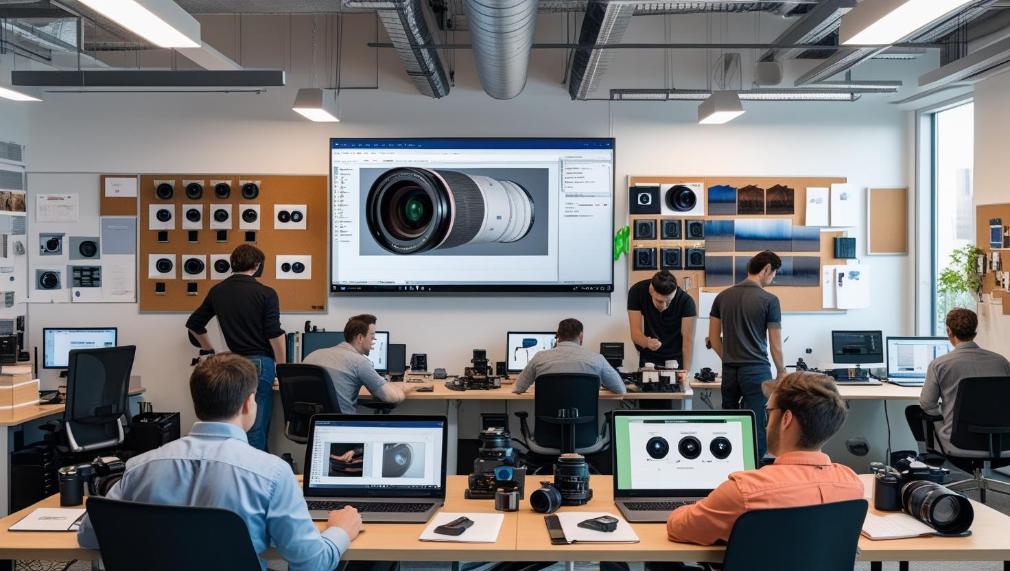
 If you’re looking for a fun, engaging way to connect with the photography community on Instagram while promoting your camera’s features, hosting a monthly photography challenge or contest is the way to go. These challenges not only spotlight your camera’s unique capabilities but also offer a creative outlet for users to try new things and connect with other enthusiasts.
 Every day, towing professionals





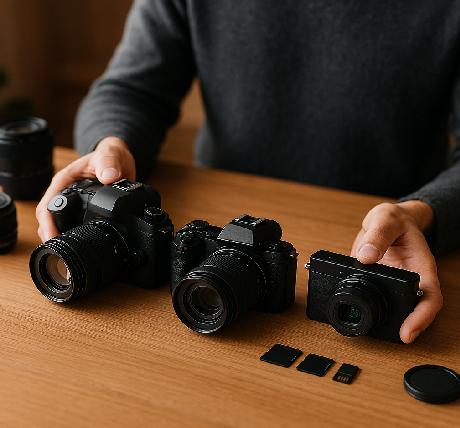
 Digital cameras have changed how we capture and share moments. From bulky DSLRs to pocket-sized mirrorless models, technology has made photography faster, clearer, and more accessible. Today’s cameras can shoot in 4K resolution, capture intricate details, and instantly transfer photos to phones or computers. For professionals, these cameras and stock assets service mean flexibility and high-quality results. For casual users, they make it easy to document daily life without needing technical expertise.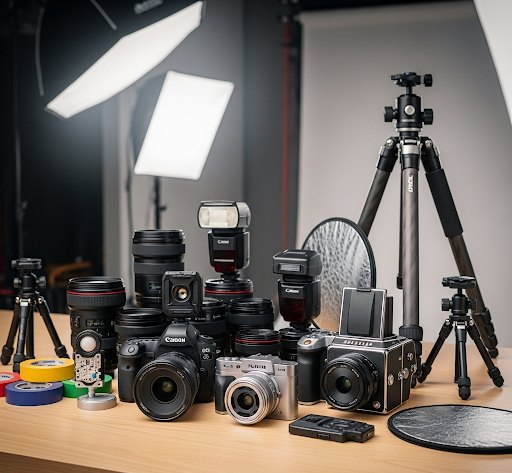

 The present meta does not create all heroes equally. Particularly in lower tiers, some are stronger and simpler to win with. If you aim to raise your DotA rank, pay close attention to heroes with autonomous game-carrying capacity. Tanks and forgiving nature make Wraith King, Bristleback, and Viper excellent choices for novices. Try Crystal Maiden or Ogre Magi if you like support; they have great early-game impact.
 The unmatched image quality of digital cameras lets content creators create breathtaking images that enthrall viewers. Digital camera high-resolution images and videos can greatly improve social media posts’ appeal, increasing their likelihood of sharing and interaction.
 Windows 11 has some fantastic features, especially for those who love photography. If you’re a digital camera user
 On Instagram, a unified brand identity depends on a clearly defined aesthetic. Digital cameras appeal to followers by letting users keep a consistent appearance and feel across their postings. Establishing a unique brand that grabs attention on the Instagram feed depends on consistency in style and quality.
 Start your keyword research by looking for terms your target audience searches most regularly. Google Keyword Planner and other tools can assist in locating highly sought-after digital camera related keywords. Including these keywords into your domain name will improve relevance and SEO.
 When autofocus isn’t working correctly, the camera could continually try to focus or not lock onto the subject at all.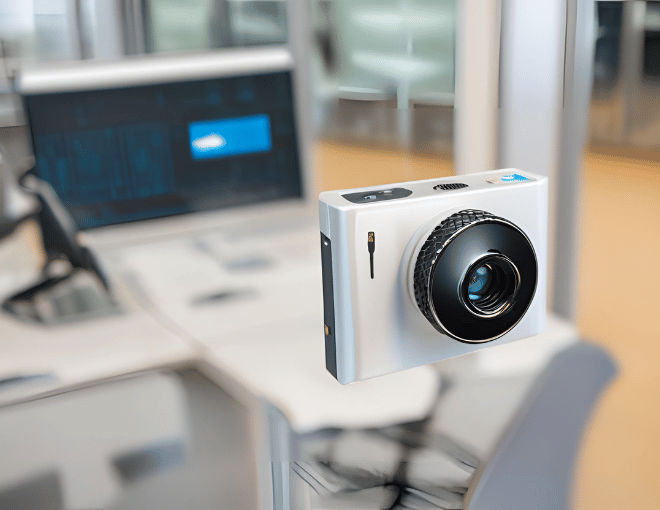
 The photo editing tool have an exposure slider. Use that to adjust the overall photos brightness and darkness. On the other hand, you can also adjust the contrast by experimenting various shades of light and dark.
 A document camera with autofocus should be your first choice. When working with moving subjects or objects in the frame, autofocus guarantees that your photos will always be clear and sharp. When recording presenting material that requires movement or modifications, this function comes in quite handy.